
Leak test your PC water cooling kit and avoid possible disaster.
When you get a new PC water cooling kit, or even a new addition to your existing loop, you should always test it out before putting it in your bad ass rig. Last thing anyone wants to happen is to spring a leak all over their precious and expensive components. So, the first step to take to avoid this is by doing a simple leak test to your water cooling loop.
A leak test is when you setup your water cooling kit outside of your case and then trick your power supply into thinking it’s plugged in where it’s supposed to be. Then, with water filled you run your loop for a few hours to make sure there are no leaks. This way if you spot a leak, you prevented a possible disaster. Plus it is easier to RMA the part when the loop is already basically apart. Knowing all of this, here is how you leak test.
I would like to give a special thanks to XSPC for providing the XSPC RayStorm 750 EX360 water cooling kit used here.
Step 1: Install your fittings
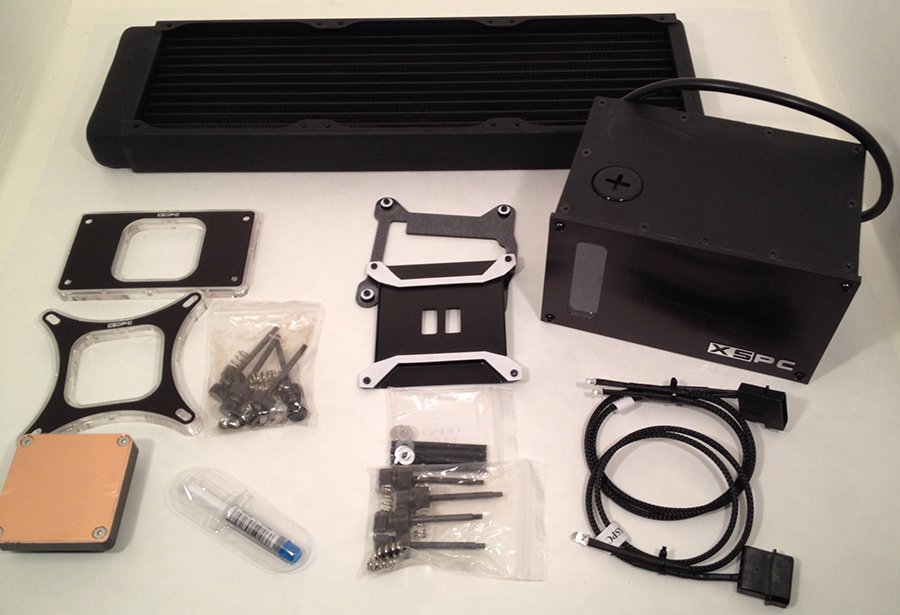
XSPC Raystom 750 EX360 Water Cooling Kit
Unbox all of your PC water cooling kit and then install each one of your fittings to your water block, radiator, pump / reservoir. Tighten the fittings enough to create a seal with your components, but not too much that you lock them into place.
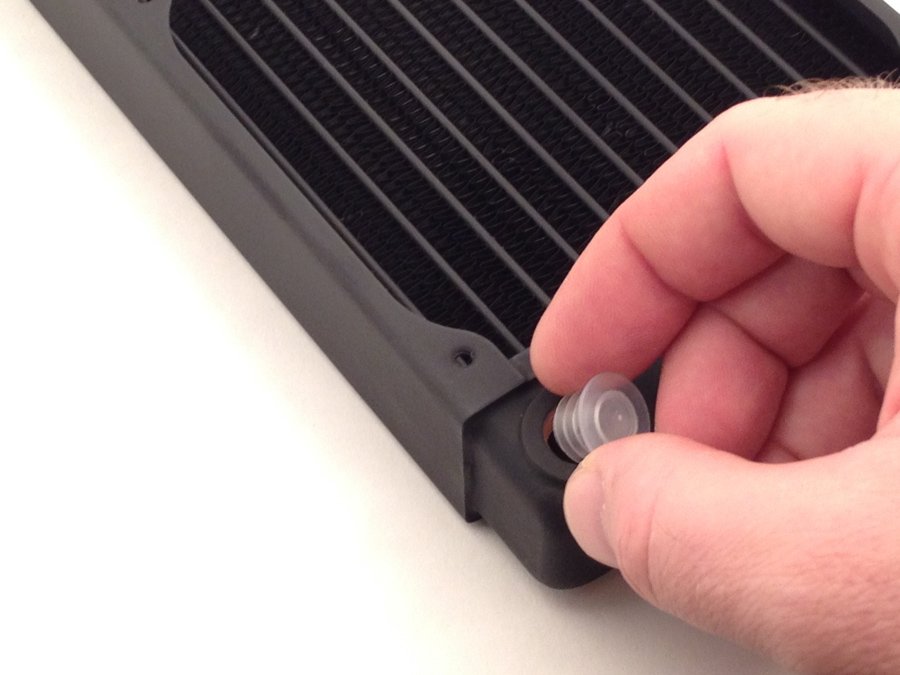
Removing Radiator Caps
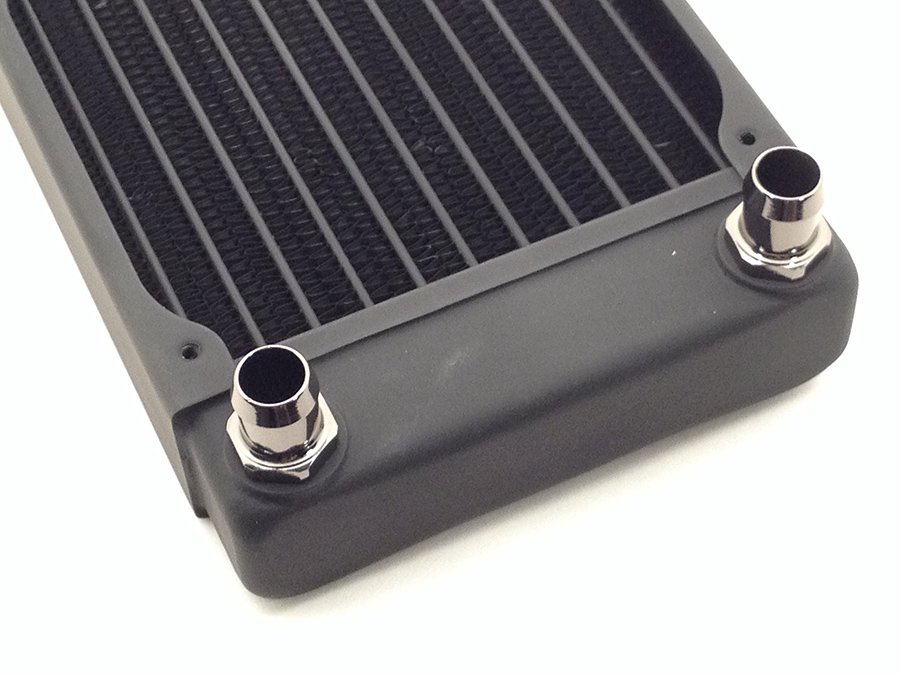
Installed Fittings
If your fittings include o-rings, make sure you use them. I once ran into a scenario where the o-rings were hidden in the packaging (my way of saying I forgot them), and then water went all over the place.
Step 2: Cut your Tubing
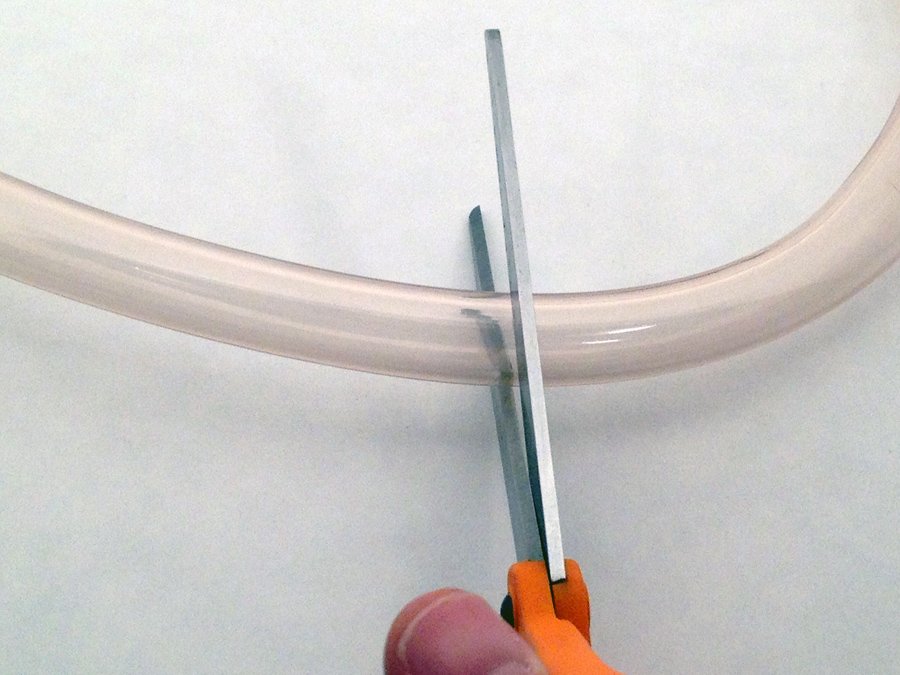
Cutting the tubing
When cutting the tubing, not much is needed. In this example I only used 1.5 feet of tubing. To cut the tubing you can use regular household scissors, or to get perfect cuts every time use a PEX Pipe Cutter Tool . When cutting with scissors, make sure to get a straight, even line. This will help avoid any gaps that may happen with your tubing end and the fitting you are connecting to.