
Port Royal is the first real-time ray tracing benchmark from UL Benchmarks
If you’ve been waiting to put ray tracing to test the wait is almost over. UL Benchmarks has created Port Royal. Port Royal is touted as being the first Raytracing benchmark around. You’ll now be able to see which cards can handle the stress that ray tracing can put on it.
Who is UL Benchmarks?
You may recognize UL Benchmarks under their former name, Futuremark. Futuremark has been a big name for benchmarking with their 3DMark and PCMark software for years. It’s no surprise that they jumped on the opportunity to provide ray tracing benchmarks.
What is Ray Tracing?
Basically, ray tracing is how graphics cards render an image by tracing the path of light as pixels in an image plane. This simulates the effects of its encounters with virtual objects. In turn, this gives the capability of producing high-quality images giving a greater sense of realism.
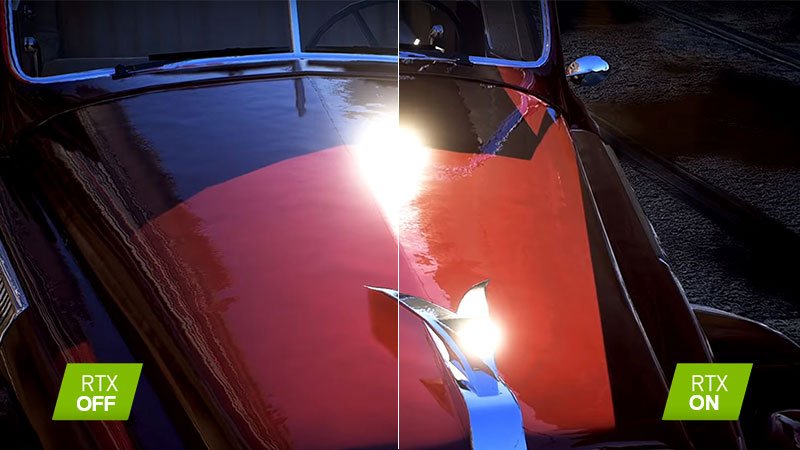
Example of ray tracing off and on
Nvidia has been buzzing about ray tracing since marketing started with these cards. There hasn’t been any real use for the technology until now. It’s clear that the RTX series cards are far from being perfect. It’s also clear nVidia is working hard to get them there. What’s also encouraging is that other companies recognize the potential of this technology and are working to show what ray tracing really can do. With Port Royal being one of the first, it’s going to be interesting to see how benches will push the cards.
Not only will this program benchmark RTX cards, but will also be a demo of the technology in real-time environments.
This benchmark is still a little over a month to release as part of the 3DMark Benchmark Suite in January 2019.
If you want more information on Port Royal you can check out the post made on the UL Benchmarks website.